Beyond Coping: 3 Pathways to Integrative Burnout Recovery
When I was struggling with burnout, I looked online for guidance. WebMD told me I had to rest more. PsychToday told me to set boundaries. Holistic blogs gave me tips on how to cure my nervous system with herbs and exercise. I felt like finding the right recipe for me was a job in itself—and I was already exhausted to begin with!
I think the quick tips and strategies of “unlocking” burnout is honestly gaslighting us all. I didn’t really recover until I took my soul seriously—I began to understand what creative being I was and how essential it was that I reconnect to that source. It was through my own trauma therapy, getting a spiritual director, walkign several times through The Artists Way, and connecting not just to nature but also to friends and colleagues who truly got it—that is when I was able to begin to breathe again.
I’m forever skeptical of systems that are causing burnout giving tips to recover.
It makes me bristle:
School districts putting on teacher appreciation burnout prevention seminars that teachers are required to attend, when the same school districts don’t fund classrooms or student resources.
Healthcare systems giving a mindfulness moment when they are taking away mental health insurance benefits for their workers
Therapy practices giving “time off” but not paying therapists for that time and expecting them to make up the lost income
New moms encouraged to share any struggles they may have with postpartum emotional fatigue, but then being referred to a therapist who is booked out for months.
It’s a real fact of life that systems can only do so much, and we can’t rely on them to do the work of recovery. While so much lies on these systems to totally overhaul themselves in order to prevent worker burnout in the first place, we have to deal with this stuff on a personal level if we have a chance at least in the short term to have a sustainable, fulfilling life. Yes, we can advocate for changes in these systems—and should, if we feel resourced to do so—but we must also begin by assessing our ability to identify ways to have true sustainable and integrative—personalized!—recovery.
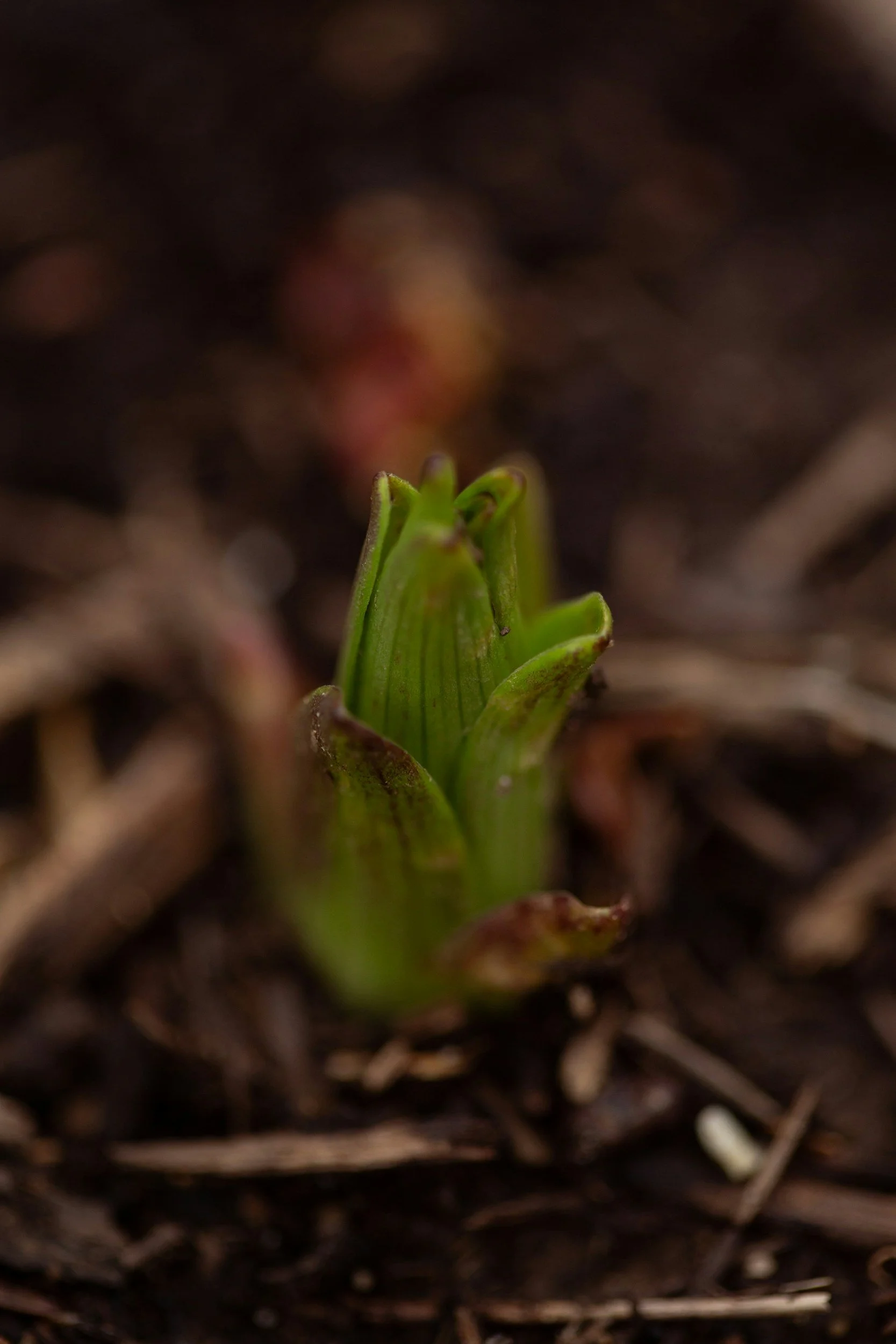
we have to have soil deep within us that keeps us nourished and rooted
Burnout doesn’t just live in your schedule or workload—it settles in your nervous system and soul. Helpers, healers, socail justice warriors reach a point where self care tips are just plain laughable. That’s because what’s needed is not coping but body-based soul-honoring recovery that is personlized to you. It may not be easy—but it is simple.
Here are three ways I’ve discovered with my own personal work as well as working with folks in burnout recovery that burnout shows up—and first steps forward.
Soul Level Exhaustion
“I wake up heavy with dread..I haven’t looked forward to a session in years. My nervous system feels like it is in overdrive all the time.” —private practice therapist
This isn’t just fatigue—it’s the body’s signal to listen. When burnout reaches this level, you feel dysregulated, irritable, and sometimes even have panic attacks or depression. While mental health therapist can help with assessing, there are some first steps you can take.
First steps: Begin with a practice that speaks to safety. Notice when you breathe—does that feel good to center in on a deep breath? Perhaps not—does stretching or movement help? How does your body feel when you attend to the way it may want to move in this moment, in the here and now? Simply slowing down and begining the practice of inner listening triggers in your brain safety system neruotransmitters, moving away from fight/flight/freeze to a more regulated and alert/relaxed state.
2. Loss of Vocational Meaning
“I want to want to help kids again, but I don’t think I want it to be my job anymore.” —first grade school counselor
When burnout strips away your sense of calling, it makes you feel disconnected from your soul, your inner sense of power and purpose. Our creative centers are our soul-essence. Many helpers can feel this way when you’re overwhelmed by compassion fatigue. Separate from burnout, compassion fatigue can make us quite bristly around the very people we want to care for. Yet if the job is not resourcing you, giving you the tools and support you need, you can’t do your job to the full extent you’re meant to.
Don’t know the difference? Learn about it here
First steps: Give yourself permission to listen inward. Take out a journal or notepad and spend 10 min just dreaming on paper. What would a dream life look like? What would your dream day look like? Who would be there? What would you do with your free time? A soul-journal is centered on your inner longings—and help you reconnect to what actually matters in your life. Reclaiming aliveness outside your professional role is foundational to burnout recovery.
3. The Endless Cycle of Self-Improvement
“I’ve been working on myself for so long…journaling, therapy, meditation. I feel like I’m just pulling myself up by the bootstraps, but nothing is changing.” —hospital chaplain
Many helpers and healers hit this wall: the exhaustion of not just giving but also trying to fix it yourself. The truth is, burnout recovery isn’t about working harder, it’s more about releasing, acceptance, and pivoting.
True recovery is a choice.
And there is often a before, and an after, that choice is made.
In capitalistic, patriarchical, racist societies like here in the US, we are told to pull ourselves up by our bootstraps and are deemed suspicious or lazy if we don’t do enough outward to prove ourselves. Drinking in this culture is toxic over time. Recovery is detoxifying ourselves from immediacy, its detoxifying ourselves from exclusivity, engaging in anti-racism, and leaning into decolonizing practices that honor the spirit for what it is: eternal and powerful, regardless of what anyone says.
First steps: Shift away form the self-improvement monster. Notice when you’re seeking that dopamine hit of a new journal or course that seems to promise all bright and shiny things. What would it be like to allow yourself to feel the feelings instead of reaching outward? What would it be like if you let yourself know that grief, that worry, that rage? I get it—it can feel overwhelming. Trust your feelings—they’re meant to teach you, and they are one way your soul speaks. Reach out if it is too much.
Healing begins in gentleness, not in striving. It isn’t fancy or bright and shiny, and people can get bored with a real recovery model like this. But, if you’re anything like me, you know you have one life to live.
What would it be like if you lived it in a way where you are led not by burnout but by personal sovereignty, power, and purpose?
Decision Time
Burnout recovery is not one-size-fits-all. It is a process of tending to parts of yourself that have been dismissed, ignored, abused, neglected. It is a process of listening to your soul again and honoring your uniqueness. It is a process of reclaiming and renewal from the inside out, from the bottom, up.
You don’t have to navigate this alone. If you are a helper or healer longing not just to cope but actually understand again your soul’s aliveness, I’d love to connect—learn more about integrative burnout recovery and schedule consultation here.
If you’re feeling so dysregulated or overwhelmed you’re having thoughts of harming yourself or others, stop and call 988, local crisis center, or a trusted friend who can help you find next steps.
Other resources:
Txt HOME to 741741
Mental health line: 800-950-6264 or txt NAMI to 62640
Trevor Project help line (LGBTQIA2S+)